
SOL Fiscal - Businesses, groups and investments
Set up a company, a subsidiary or a holding company in Andorra
You still have so much to build.
Your business is growing. Capital is becoming available. You want to invest, bring in a partner, launch a new activity or prepare for life after a business sale.
We help you organise the companies, financing and decisions involved.
An Andorran subsidiary can support the further development of a French group.
A wealth-holding structure can provide a framework for your investments. A holding company can bring together shareholdings and prepare for their development.
We explore these possibilities in light of your current situation, your advisers and what you really want to do.
We then handle the agreed work and follow-up on the ground.
Your energy should be directed towards the projects that make you want to move forward.
Team based in Andorra · French–Andorran advice · Working with your usual advisers

Member of the Viaexperts network
YOUR PROJECTS
What would you like to do next?
Develop a business
Create a new division, partner with an entrepreneur, recruit a team or acquire a business.
We work on the company that will carry the project, its shareholders, resources and financing. Authorisations, banking and ongoing obligations are included in the preparations from the outset.
Invest the capital available within your group
Your group has available cash and you want to put it to a new use.
We examine the needs of the existing business, the source of the funds, commitments attached to previous transactions and the investments being considered. Financing must remain consistent with each company’s interests and the resources that need to be retained.
Organise wealth separately from the operating business
You want to give your investments, property or shareholdings a distinct place.
We examine ownership of the assets, their financing, expected income and the decisions to be shared with your family. The structure must remain workable over the years.
Review a group that has grown
Companies have been added as opportunities arose. The group structure, intercompany accounts and commitments have become difficult to understand.
We review the whole structure, identify what remains useful and prepare possible simplifications.
You should be able to understand your structure as clearly as your business.
Subsidiary
Your group can keep its parent company in France and invest in Andorra.
Creating a subsidiary in Andorra can enable a French company to develop a business or undertake a local investment while retaining the parent company and the group’s existing structure.
This is an approach we regularly use in practice.
The business owner finds a familiar framework: a company carries a project, the group provides it with resources and decisions are followed up with the advisers who already know the business.
A company for an identified project
The subsidiary can carry out a business activity, an acquisition, a property project or certain investments, depending on its purpose, the applicable rules and the necessary authorisations.
We define what it must do, who manages it, how decisions will be made and what resources it actually needs.
The French parent company retains its role. Creating the subsidiary adds an Andorran component, with its own operations and obligations.
Financing arrangements you already know
The group can finance the subsidiary through capital contributions, capital increases or shareholder loans when the conditions allow.
We organise the necessary corporate decisions and agreements: amount, purpose of the financing, term, any remuneration, repayment and guarantees.
The terms are examined in both countries, particularly regarding interest, its deductibility and relationships between related companies. Each transfer of funds must correspond to a decision that is understood and documented.
Your accountant remains involved
Together with your accountant, we prepare the recording of the shareholding, transfers between companies, information to be exchanged and the accounts timetable.
When a statutory auditor is involved, their requirements are anticipated. If the group prepares consolidated accounts, we organise the information needed for consolidation and reconciliations between entities.
Accounting consolidation and tax consolidation are two different matters: an Andorran subsidiary does not automatically become part of the French tax group.
The time saved serves the project
Prepared financing, consistent documents and the right people brought together at the right time help move forward with the acquisition, contracts, works or business development.
The structure continues to be monitored so it can evolve with the project: a new investor, additional financing, reinvestment or an exit.
You continue to grow your group. You have a team on the ground to move its Andorran operations forward.
WEALTH-HOLDING STRUCTURES
Give your investments a place of their own.
Your business and your wealth do not always follow the same timetable.
The business must finance its development and day-to-day needs. Your investments may serve a longer-term horizon: future income, diversification, property, stakes in other businesses or wealth transfer.
We can explore a wealth-holding structure separate from the operating company.
Choose who owns and who finances
Depending on the objectives, the structure may be owned by a group company, the business owner or several family members.
These choices have different consequences for access to capital, distributions, taxation and wealth transfer. We compare them before moving assets or cash.
A structure owned by the group remains within that chain of ownership. A structure outside the group requires examining how funds or assets reach it.
Establish rules suited to the wealth
Who decides on an investment? What income needs to remain available? What role should the children have? How can you exit a shareholding or bring in a new family shareholder?
We work on the articles of association, rights, decisions and documents needed for the structure to support these choices.
Examine the links that remain
Separating companies allows their assets, commitments and results to be identified. The extent of this separation also depends on personal guarantees, security interests, financing and responsibilities.
We examine these links so the chosen structure matches the separation sought.
What you have built can finance other projects and open up opportunities for the next generation.
Investments
From available capital to projects you choose.
A well-organised investment company can serve several purposes: maintaining a cash reserve, holding financial assets, taking a stake in a business or carrying a property project.
We work on the consistency of the whole: what remains available, what can be committed for the longer term, expected income and future commitments.
Work with private banking
We prepare the presentation of the company, its owners, the source of funds and the intended use of the capital.
Investment, financing and availability needs are examined with the institutions and authorised professionals. Account opening and financing are subject to the bank’s decision.
You choose the level of delegation you want. Decision-making powers, any mandates and the information you receive are organised accordingly.
Undertake a property project
Buying land, building a chalet, purchasing a property or participating in a property development requires bringing together the property project and its ownership structure.
We examine feasibility, financing, contracts, authorisations, guarantees and the intended exit.
The intended use matters from the outset: rental investment, resale, business use or family occupation. Private use of a property owned by a company must also be organised and treated correctly.
Take a stake in a business
Taking an equity stake or investing in private equity involves more than an amount of money.
We examine information rights, reserved decisions, future financing needs, dilution and exit terms. Follow-up continues according to the agreed engagement.
Our local presence also enables us to examine projects before their public launch and bring together the people needed to carry them out.
Keep control of the structure
You may want to retain the choice of projects and a direct role in the governance of your investment company.
We prepare the corresponding powers and operating arrangements, consistently with the company’s effective management and each person’s responsibilities.
This approach can meet certain objectives also pursued through a Luxembourg life insurance policy: diversification, organising ownership and preparing for the future. The frameworks remain different. A company does not replicate the insurance regime, the wealth-transfer mechanisms or the protections specific to a Luxembourg policy.
The choice takes account of your residence, the source of funds, the assets sought, governance, costs and wealth-transfer rules.
Understand the guarantees accompanying the investment
We examine the available guarantees, their beneficiary, their ranking and the conditions for enforcing them.
Holding an asset in a company does not guarantee its return or the repayment of capital. The soundness of the project, contracts and counterparties must be examined together.
Holding company
Where should the holding company be based, and what should it do?
A holding company owns shareholdings. It can help organise a group, prepare an acquisition, bring together shareholders or support wealth transfer.
Its place of establishment must match its functions, its actual management and the organisation you want to operate.
Start with what already works
We examine the existing parent company, shareholdings, financing and ongoing commitments.
A new subsidiary may be enough to carry out the project. In other situations, a broader reorganisation provides a benefit that needs to be identified and explained.
Define useful functions
Holding shares, financing a subsidiary, coordinating a business or bringing in investors involves different responsibilities and resources.
We clarify who makes decisions, what services are actually provided and how relationships between companies are organised.
Compare locations and their consequences
The holding company’s country forms part of a broader analysis: shareholders’ residence, location of activities, income flows, treatment of disposals, tax treaties, obligations and operating costs.
You receive a comparison with its practical consequences. The chosen option must remain consistent when it comes to investing, distributing income, selling or transferring wealth.
The right location for a company becomes clear from what it does.
Assets and flows
Rights, income and actual work must align.
Intellectual property: know what the business owns
A brand, software, a patent or know-how can represent a significant part of a business’s value.
We examine the origin of the rights, creation or assignment agreements, licences and terms of use. It is necessary to know which company owns what, who uses the rights and on what terms.
When separate ownership or an intercompany licence is being considered, we work on the legal effects, valuation and tax consequences, with the necessary specialists.
Substance: organise how the business actually operates
Who develops the business? Who makes decisions? Who finances it, bears the risks, maintains the assets and negotiates contracts?
The answers guide the structure and the allocation of income.
We examine the resources suited to each company’s functions: managers, expertise, service providers, premises when the activity requires them, records of decisions and documents retained.
Transfer pricing: provide justification for the group’s flows
Services, licence royalties, interest or other transactions between related companies must be examined in terms of their actual substance and financial conditions.
The arm’s length principle requires identifying the terms that independent businesses would have agreed in a comparable situation.
We include these questions in the study of the structure and the preparation of agreements. Transfer pricing is a technical speciality: when the case requires a comparables study, a complex valuation or specialised documentation, we coordinate the work with a professional in this discipline.
You retain a contact who knows your group and connects this study with contracts, accounts and decisions.
Contributions and restructurings
A restructuring must be properly reflected in the legal documents and accounts.
Contributing shares, increasing capital, bringing together shareholdings or reorganising assets requires preparing the same transaction from several perspectives.
We coordinate the analysis, valuations, decisions, legal documents and their accounting follow-up.
Reconstruct the starting position
We bring together the group chart, articles of association, previous legal documents, accounts and commitments attached to the shares.
The rights held, the necessary agreements and transactions that may still have effects must be identified.
Distinguish the values
The value used for the transaction, the accounting value and the tax value may differ.
We prepare their treatment with the professionals involved and identify the required reports. This information must remain available for a disposal, a distribution or a further reorganisation.
Examine the regime and its timetable
In Andorra, Llei 17/2017 governs the tax regime for certain reorganisations. The classification of the transaction, its economic reasons and the conditions for applying the regime are examined before it is carried out.
Notification to the administration and the accounting obligations provided for by this regime are included in the timetable when it applies.
Prepare the next steps from the moment of signing
The final documents, accounting entries, values to be monitored and obligations are passed on to those who will continue handling the case.
A restructuring must be capable of being reviewed and understood several years after it has been completed.
Wealth transfer
Transfer what you have built without complicating life for those who follow you.
Preparing a wealth transfer means deciding what you want to give, when, and with what income and powers for each person. This work belongs within the structuring of your wealth, well before the first signatures.
Distinguish your loved ones’ rights from the tax payable
Civil law determines, in particular, the heirs and their rights. Tax law determines where and how the transfer is taxed. An estate governed by foreign law may therefore remain taxable in France.
We examine the tax residence of the donor or deceased person and of the beneficiaries, as well as the nature and location of the assets. Article 750 ter of the French General Tax Code notably helps identify gifts and inheritances that remain subject to French tax.
The Dutreil regime, intermediary companies and international wealth transfer
The Dutreil regime can reduce the taxable base of certain business transfers. Its application can be examined in an international context, including where foreign companies are involved, subject to the conditions of the French regime.
We examine the eligible business activity, the role of any actively managing holding company, intermediary companies and the portion of value that may qualify for the regime. Retention commitments, management requirements, certificates and future transactions must be anticipated.
Applying the Dutreil regime internationally therefore requires precise coordination between the countries and advisers involved.
Gifts, split ownership and property structuring
Gifts, gifts with partition and split ownership allow different rights over income, capital and decisions to be organised. We examine how they fit with your needs, those of your loved ones and existing commitments.
For French property, an asset or share purchase, refinancing or moving a company into the corporate income tax regime may also be included in the study. We compare their consequences: financing, duties, capital gains, future income, resale and wealth transfer.
We favour structures that you and your loved ones can understand and administer. A trust or a chain of companies must meet a specific need, after examining the obligations and consequences in each country involved.
You should be able to pass on wealth that your loved ones will know how to manage.
France–Andorra
Decisions must make sense on both sides of the border.
Follow flows through to their destination
A capital contribution, a loan, interest, a service and a dividend serve different purposes.
We examine their treatment for the payer and the recipient, the applicable treaties, any withholding taxes and reporting obligations.
The subsidiary’s taxation, the French rules applicable to the parent company and anti-abuse provisions must be considered together. An Andorran presence alone is not enough to determine the overall tax outcome.
Identify the commitments attached to the capital
When the history includes a contribution followed by a disposal governed by Article 150-0 B ter of the French General Tax Code, the conditions of tax deferral, reinvestment obligations and deadlines are examined before committing the funds.
The eligibility of a business activity, investment or vehicle must be checked for the specific case.
If the project includes leaving France, the business owner’s residence, their functions and the possible application of exit tax are examined separately.
Read anti-abuse rules before drawing a conclusion
An anti-abuse rule must be read alongside its conditions and the facts to which it applies.
We examine the project’s economic purpose, effective management, functions, flows and commitments. A concern must be capable of being linked to a legal provision and a specific situation.
You receive an explained analysis, the points requiring further work and the possible decisions. We can review a structure already studied with the professional advising you.
France–Andorra
Your advisers have a place in the project.
Your lawyer, accountant and statutory auditor know your group, its history and its constraints. Your notary may also know the family decisions surrounding it.
This knowledge should help build what comes next.
Study together, then implement through the firm
We can review the case with your usual contacts, compare analyses and define the structure.
The firm then carries out the work entrusted to it and the local follow-up. Validations and information to be passed on are planned from the outset.
Entrust us with coordination while keeping your advisers involved
We can also handle coordination and involve our associates in France.
Your advisers contribute on the agreed points: an additional opinion, validation, legal document, accounting, audit or monitoring of interests retained in France.
You know who prepares, who checks, who decides and who receives the documents.
Share practical experience
We exchange views on methods, difficulties encountered and useful lessons. We connect professionals with the relevant contacts when the case requires it.
Feedback from other transactions remains general, non-identifying and limited to what may be shared. A position obtained in one case is reassessed before being applied to another.
Organise information while respecting confidentiality
With your agreement and within the rules specific to each profession, we define the information needed by each contributor.
Professional confidentiality remains applicable. Sharing a case among advisers does not authorise unrestricted circulation of documents or communications.
The best collaboration enables you to decide confidently and everyone to do their work well.
Our approach
The timetable is built before the first signatures.
A departure, a business sale, a school start date, an acquisition: we start from your deadline to organise the work beforehand.
In our practice, we allow at least two and a half to three months to organise the formation of a company in Andorra: defining the project, documents, banking, necessary authorisations, the notary and registrations. This preparation guideline is adjusted to the case and the timeframes of the various parties involved.
For a complete project combining personal relocation and a French–Andorran reorganisation, allow roughly a full year for preparation, implementation and stabilisation. Some stages overlap; others depend on prior approval.
Faire le point
Situation familiale, sociétés, actifs, dettes, engagements et conseils déjà présents.
Ce que vous recevezSynthèse de départ, pièces utiles et questions à trancher.
Choisir l’organisation
Comparaison des options, financement, fiscalité, gouvernance et coûts récurrents.
Ce que vous recevezRecommandation écrite, périmètre de mission et budget.
Préparer les opérations et le départ
Valorisation, banque, autorisations, actes, formalités françaises et garanties éventuelles.
Ce que vous recevezRétroplanning partagé, responsabilités et échéances identifiées.
Réaliser
Signatures, versements, constitution, inscriptions et installation selon le projet.
Ce que vous recevezActes définitifs, organigramme actualisé et dossier transmis aux conseils concernés.
Stabiliser
Première clôture, déclarations, suivi des engagements et ajustements nécessaires.
Ce que vous recevezCalendrier de suivi et points de coordination prévus dans la mission.
The timetable specifies what must be done before departure, what can progress in parallel and what must continue afterwards. Statutory deadlines, work estimates and third-party involvement are distinguished.
If an authorisation, document or bank response is delayed, we explain the consequences for subsequent stages and the decisions to be made.
You know where the case stands, what is missing and what the next step is.
Over the long term
Once established, you should be able to rely on a team that already knows your story.
The company is operating, accounts are open and the first investments are moving forward. We then organise the next steps within the agreed engagement: accounting, returns, corporate decisions and monitoring of commitments.
Ensure the right information is shared
A shareholder loan must appear in both sets of accounts. Interest, expenses paid on behalf of another company, agreements and decisions must remain consistent.
We prepare exchanges with your accountant, statutory auditor and, where involved, consolidation teams. Each party has the legal documents and information useful to their work, while respecting professional confidentiality.
Review the structure when the rules or your projects change
We monitor legislative developments, case law and administrative guidance relevant to our cases. Within the agreed scope of follow-up, we examine their impact on completed transactions and those you are preparing.
A disposal, investment, distribution or gift may also justify a new review. We check ongoing commitments, document the analysis and propose necessary adjustments. The robustness of a structure requires work over time.
Return to French matters once the project has stabilised
Your relocation can be an opportunity to revisit property held for many years, a company that is no longer very useful, a postponed wealth transfer or financing that needs reorganising.
We revisit these matters with your French advisers when you have the time to decide. Retaining, simplifying, financing or transferring: each intervention must serve an identified purpose.
The relationship continues with the projects you want to pursue.
Professional framework
Legal and tax practice within an identified professional framework.
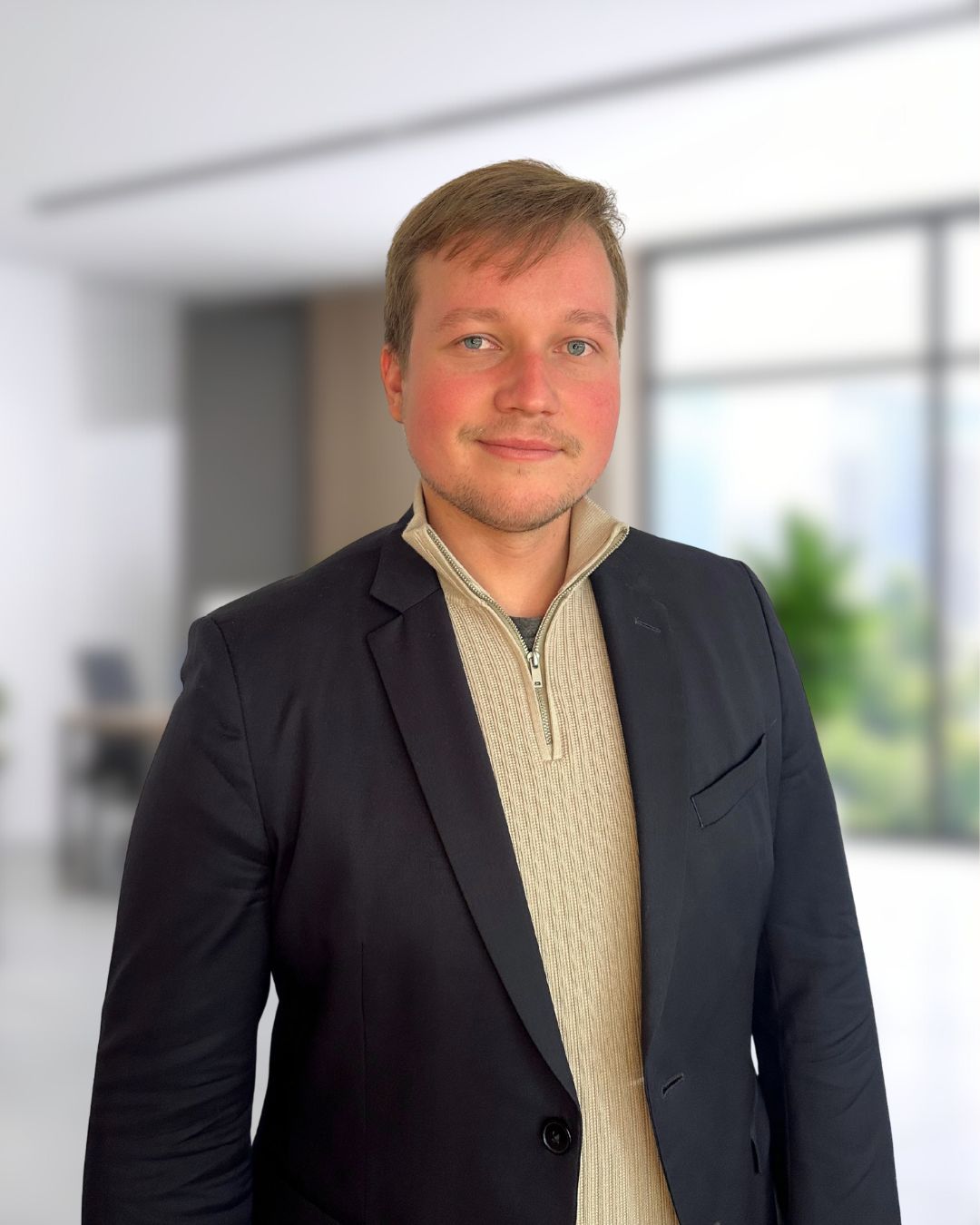
Matthieu Bech, managing partner, is a legal specialist in French tax law and cross-border procedures. He is an economist registered with the Col·legi Oficial d’Economistes d’Andorra under No. 297.
His background in investment banking, followed by independent advice to small, medium-sized and mid-market businesses, with occasional assignments for listed groups, informs his approach to cases: the rules, financing and the business owner’s decisions must work together.
Based in Andorra, he works on restructurings, group organisation and wealth projects. His involvement in investments extends this practice through financing, governance and follow-up.

Note — The role of the economist in Andorra
In Andorra, an economist is a regulated professional in economics and business. Their scope of practice includes accounting, financial and tax matters, as well as business advice. In this capacity, they contribute to the study and support of restructurings. Tax advice forms part of this scope of practice; lawyers also work on tax matters within their profession.
This professional framework differs from the everyday meaning of the word “economist” in France. At SOL Fiscal, it combines with Matthieu’s legal training and his specialisation in French tax law and cross-border procedures. Work reserved for other professions is organised with appropriately authorised professionals.
A team based here
We speak Catalan and work with the country’s businesses, institutions and professionals. We also develop projects with local partners.
The legal and administrative, accounting and investment teams work together on each case. This combination makes it possible to connect the preparation with what actually happens on the ground.
Clearly defined responsibilities
The engagement, contributors, fees and expected validations are formally documented.
Professional confidentiality, professional ethics and the assessment of conflicts of interest form part of the working framework. Roles and interests are disclosed when the firm also participates in a transaction as an investor, developer or representative.
Fees
Our fees must earn their place in your project.
Financing prepared on time, a precise agreement, a simplified structure or a difficulty identified before a commitment can make a difference for years.
The fees cover the agreed work: analysis, preparation of decisions, legal documents within the scope of the engagement, coordination and follow-up.
You should be able to identify what has been studied, what has been produced and the reasons for the chosen option.
We must also be able to tell you that a new company would be unnecessary, that a transaction should wait or that your current structure already allows the project to be carried out.
When several advisers are involved, we allocate work and validations so that expertise is used where it is useful.
A simple case should be able to remain simple.
Frequently asked questions
The questions you ask us at the outset
Je vise une installation l’année prochaine. Quand faut-il commencer ?
Dès que le projet devient concret. Lorsqu’il faut coordonner un départ de France, des sociétés, des financements et une installation familiale, prévoyez une bonne année pour préparer, réaliser et stabiliser l’ensemble.
Nous partons de votre date souhaitée et vérifions ce qui doit la précéder : opérations sur les titres, formalités de départ, éventuel dossier d’exit tax, logement et autorisations. Certaines échéances imposent d’agir avant le déménagement.
Combien de temps faut-il pour créer la société andorrane ?
Dans notre pratique, nous prévoyons au moins deux mois et demi à trois mois pour organiser la constitution : projet défini, dossier complet, banque, autorisations nécessaires, rendez-vous notarial et inscriptions.
Il s’agit d’un repère de préparation, qui peut être allongé par les particularités du dossier ou les délais des intervenants. La constitution seule et l’ensemble de votre installation ont des calendriers différents.
Que dois-je vous transmettre pour commencer ?
Pour un groupe existant : un organigramme, les derniers comptes, les statuts, les principales conventions de financement et les actes susceptibles d’avoir encore des effets fiscaux.
Nous vous demandons aussi ce que vous voulez réaliser, avec quels capitaux et à quelle échéance. Si le projet comprend un départ ou une transmission, nous complétons avec les informations familiales, les résidences fiscales et les donations antérieures. Une liste adaptée au dossier évite les demandes de pièces dispersées.
Faut-il créer une holding ou déplacer ma société française ?
Cela doit répondre à une fonction précise. Une filiale andorrane financée par votre groupe français peut suffire pour porter le nouveau projet. La société mère conserve alors sa place.
Nous comparons aussi les solutions utilisant les structures actuelles. L’étude peut conclure qu’une convention à revoir ou une organisation plus simple suffit. Vous devez connaître l’utilité d’une société supplémentaire et son coût de fonctionnement avant de la créer.
Ma société française peut-elle financer le projet sans que je sorte personnellement les fonds ?
Un investissement par la société française dans une filiale peut être étudié, notamment par apport au capital ou avance en compte courant.
Nous vérifions la disponibilité des fonds, les engagements qui leur sont attachés, l’intérêt de l’opération pour chaque société et ses conséquences fiscales. Les actes, les conditions de remboursement ou de rémunération et le traitement comptable sont coordonnés avant le versement.
Qui parle à mon expert-comptable, à mon avocat et à ma banque ?
Nous organisons les échanges avec vous dès le cadrage. Vos conseils habituels peuvent participer à l’étude, valider certains points et poursuivre le suivi français. Le cabinet prend en charge les travaux locaux et la coordination qui lui sont confiés.
Le rôle de chacun est précisé dans la mission. Les décisions, documents et points restant à résoudre sont partagés avec les intervenants concernés, selon les règles de confidentialité applicables.
Mon départ en Andorre règle-t-il aussi la fiscalité de ma succession ?
Pas à lui seul. L’article 750 ter du CGI peut maintenir une imposition française selon la résidence de celui qui transmet, celle de celui qui reçoit et les biens concernés.
Les biens français peuvent rester imposables lorsque le donateur ou le défunt vit à l’étranger. Des biens étrangers peuvent aussi entrer dans le champ français si le bénéficiaire y est domicilié fiscalement et l’a été pendant au moins six des dix années précédant l’année de la transmission.
Nous distinguons cette analyse fiscale du droit civil qui détermine les droits des héritiers.
Une fois la société créée et mon installation terminée, que faites-vous encore ?
Le suivi peut comprendre la comptabilité, les déclarations, les décisions sociales, les conventions intragroupe et les engagements fiscaux, selon la mission convenue.
Nous préparons les échanges avec vos conseils et les décisions qui suivent : financer un investissement, distribuer, céder ou transmettre. Lorsque l’installation est stabilisée, nous pouvons aussi reprendre les sujets français laissés en attente.
Comment savoir ce qui est compris dans les honoraires ?
La proposition précise les travaux, les livrables, les intervenants et le budget. Les honoraires du cabinet, les débours, les frais des tiers et le suivi récurrent sont distingués.
Le périmètre est défini avant d’engager les travaux. Si le projet évolue et demande une intervention supplémentaire, nous en convenons avec vous. Vous devez pouvoir relier les honoraires au travail réalisé et aux décisions qu’il vous permet de prendre.
Let’s discuss the project you want to finance, develop or pass on.
You have a business to launch, cash to invest, a subsidiary to create or a structure to review.
Tell us what already exists, what you are considering and your timetable.
We will consider what work to undertake, with which people and in what order. Your lawyer or accountant can take part in the initial discussion.